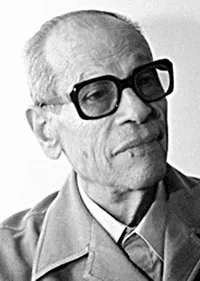
Naguib Mafouz
1911 – 2006
Biography
نجيب محفوظ عبد العزيز إبراهيم أحمد الباشا (11 ديسمبر 1911 – 30 أغسطس 2006) هو كاتب مصري. يُعد أول مصري وعربي حائز على جائزة نوبل في الأدب. كتب نجيب محفوظ منذ الثلاثينات واستمر حتى 2004. تدور أحداث جميع رواياته في مصر وتظهر فيها سمة متكررة، هي الحارة التي تعادل العالم. كتب نجيب محفوظ أكثر من ثلاثين رواية اشتهرت غالبيتها وتم إنتاجها سينمائيًا أو تلفزيونيًا وكانت أول رواياته هي عبث الأقدار (1939)، أما آخرها، فكانت قشتمر (1988)، كما كتب أكثر من عشرين قصة قصيرة وكان آخرها أحلام فترة النقاهة (2004). ومن أشهر أعماله: بداية ونهاية (1949)، والثلاثية (1956–1957)، وأولاد حارتنا (1959)، والتي مُنعت من النشر في مصر منذ صدورها وحتى وقتٍ قريب، واللص والكلاب (1961)، وثرثرة فوق النيل (1966)، والكرنك (1974)، والحرافيش (1977). بينما يُصنف أدب محفوظ باعتباره أدبًا واقعيًا، فإن مواضيعًا وجودية تظهر فيه. محفوظ أكثر أديب عربي نُقلت أعماله إلى السينما والتلفزيون. ---------- Naguib Mahfouz Abdelaziz Ibrahim Ahmed Al-Basha (Arabic: نجيب محفوظ عبد العزيز ابراهيم احمد الباشا, I11 December 1911 – 30 August 2006) was an Egyptian writer who won the 1988 Nobel Prize in Literature. In awarding the prize, the Swedish Academy described him as a writer "who, through works rich in nuance – now clear-sightedly realistic, now evocatively ambiguous – has formed an Arabian narrative art that applies to all mankind". Mahfouz is regarded as one of the first contemporary writers in Arabic literature, along with Taha Hussein, to explore themes of existentialism. He is the only Egyptian to win the Nobel Prize in Literature. He published 35 novels, over 350 short stories, 26 screenplays, hundreds of op-ed columns for Egyptian newspapers, and seven plays over a 70-year career, from the 1930s until 2004. All of his novels take place in Egypt, and always mention the lane which equals the world. His most famous works include The Cairo Trilogy and Children of Gebelawi. Many of Mahfouz's works have been made into Egyptian and foreign films; no Arab writer exceeds Mahfouz in number of works that have been adapted for cinema and television. While Mahfouz's literature is classified as realist literature, existential themes appear in it.
240
Books
0
Read
899
Pages
Books
0of240read
0%

Palace Walk
1956
Dunyā Allāh
Dunyā Allāh
1963
Taḥta al-miẓallah
Taḥta al-miẓallah
1967
Shahr al-ʻasal
Shahr al-ʻasal
1971
al- Jarīmah
al- Jarīmah
1973
Cuentos ciertos e inciertos
Cuentos ciertos e inciertos
1974
Ḥikāyāt ḥaratinā
1975
Pansionat "Miramar"
Pansionat "Miramar"
1975

Qalb al-layl
1975
Ataḥaddathu ilaykum
Ataḥaddathu ilaykum
1977
al- Ḥubb fawqa hadabat al-haram
al- Ḥubb fawqa hadabat al-haram
1979
al- Aʻmāl al-kāmilah
al- Aʻmāl al-kāmilah
1980
ʻAṣr al-ḥubb
1980
Bāqī min al-zaman sāʻah
Bāqī min al-zaman sāʻah
1982
Raʼytu fīmā yará al-nāʼim
Raʼytu fīmā yará al-nāʼim
1982
Amāma al-ʻarsh
Amāma al-ʻarsh
1983
al- Tanẓīm al-sirrī
al- Tanẓīm al-sirrī
1984
Najīb Maḥfūẓ yatadhakkar
Najīb Maḥfūẓ yatadhakkar
1987
Ahl al-ḥawá
Ahl al-ḥawá
1988
Fountain and tomb
1988
Najīb Maḥfūẓ, zaʻīm al-ḥarāfīsh
Najīb Maḥfūẓ, zaʻīm al-ḥarāfīsh
1989
Ḥawla al-shabāb wa-al-ḥurrīyah
Ḥawla al-shabāb wa-al-ḥurrīyah
1990
Ḥawla al-thaqāfah wa-al-taʻlīm
Ḥawla al-thaqāfah wa-al-taʻlīm
1990
Iʻtirāfāt Najīb Maḥfūẓ
Iʻtirāfāt Najīb Maḥfūẓ
1990
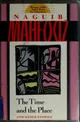
The time and the place and other stories
1991
Homecoming
1992
al- Qarār al-akhīr
al- Qarār al-akhīr
1996

Mon Egypte
1996
A less wa al kelab
A less wa al kelab
2000
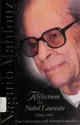
Naguib Mahfouz at Sidi Gaber
2001
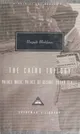
The Cairo trilogy
2001

The Dream
2005
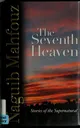
The seventh heaven
2006
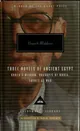
Three novels of ancient Egypt
2007
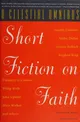
A Celestial Omnibus
A selection of short stories
A selection of short stories
After the Nobel Prize 1989-1994
After the Nobel Prize 1989-1994
Ahavim ṿa-geshem
Ahavim ṿa-geshem
Aḥlām fatrat al-naqāhah
Aḥlām fatrat al-naqāhah

Akhenaton. El rei heretge
Al fajer al kazib
Al fajer al kazib
Al houb fawka hadabat al haram
Al houb fawka hadabat al haram
al- Bāqī min al-zaman sāʻah
al- Bāqī min al-zaman sāʻah
al- Ḥalqah al-Dirāsīyah al-Iqlīmīyah li-ʻĀm 1987
al- Ḥalqah al-Dirāsīyah al-Iqlīmīyah li-ʻĀm 1987
al- Muʾallafāt al-kāmilah
al- Muʾallafāt al-kāmilah
al-Aʻmāl al-kāmilah
al-Aʻmāl al-kāmilah
Al-baqi min al-zaman sa'ah
Al-baqi min al-zaman sa'ah
al-Fajr al-kādhib
al-Fajr al-kādhib