—
Pulitzer Prize — General Nonfiction
Pulitzer — General Nonfiction
0 of 163 books read
General Nonfiction
163
Books
165
Authors
10,283
Pages
1962–2025
Span





2020
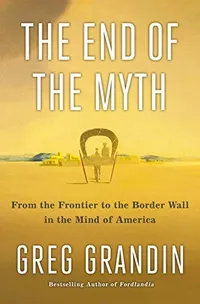
The End of the Myth: From the Frontier to the Border Wall in the Mind of America
Greg Grandin · 2020
"Ever since this nation's founding, the idea of an open and ever-expanding frontier has been central to American identity. Symbolizing a future of endless promise, the frontier made possible the United States' belief in itself as an exceptional nation--democratic, individualistic, forward-looking. Today, though, the country has a new symbol: the border wall. In [this book], acclaimed historian Greg Grandin explores the effect that constant, relentless expansion had on America's domestic politics, examining the full sweep of U.S. history--from the American Revolution to the Spanish-American War, the New Deal to the election of 2016. For centuries, he shows, the ability to move outward--fighting wars and opening markets--provided America with a "gate of escape," helping to deflect domestic political and economic conflicts. But this deflection meant that the country's problems, from racism to inequality, were never confronted directly. And now, the combined catastrophes of the 2008 financial meltdown, our unwinnable wars in the Middle East, and a deepening ecological crisis have slammed this gate shut, bringing political passions that had long been directed elsewhere back home. It is this new reality, Grandin says, that explains the rise of reactionary populism and racist nationalism, the extreme anger and polarization that catapulted Trump to the presidency. The border wall may or may not be built, but it will survive as a rallying point, an allegorical tombstone marking the end of American exceptionalism."--Dust jacket.

The Undying: Pain, Vulnerability, Mortality, Medicine, Art, Time, Dreams, Data, Exhaustion, Cancer, and Care
Anne Boyer · 2020
"A fresh, fierce, and timely meditation on data, pain, time, and the limited capacity of literature to comprehend life and death in a sensate and vulnerable body." -- When Boyer was diagnosed with highly aggressive triple-negative breast cancer, the illness was both a crisis and an initiation into new ideas about mortality and the gendered politics of illness. Here she explores the experience of illness as mediated by digital screens, weaving in ancient Roman dream diarists, cancer hoaxers and fetishists, cancer vloggers, corporate lies, John Donne, the ecological costs of chemotherapy, and the many little murders of capitalism. She will break your heart, make you angry enough to spit, and show you contemporary America as a thing both desperately ill and occasionally perversely glorious. -- adapted from jacket